


If you’re a superintendent, district administrator, or HR director, you already know that summer isn’t a slow season — it’s a planning season. While teachers and staff recharge, district leaders are quietly building the professional development calendar that will shape the entire year ahead. The choices made in June and July show up in classrooms, staff morale, and retention numbers by October.
Here’s what I want to challenge you to consider this summer: what if the most valuable PD you offer this year isn’t about a new curriculum, a new platform, or a new compliance requirement — but about how your people show up for each other and for the work?
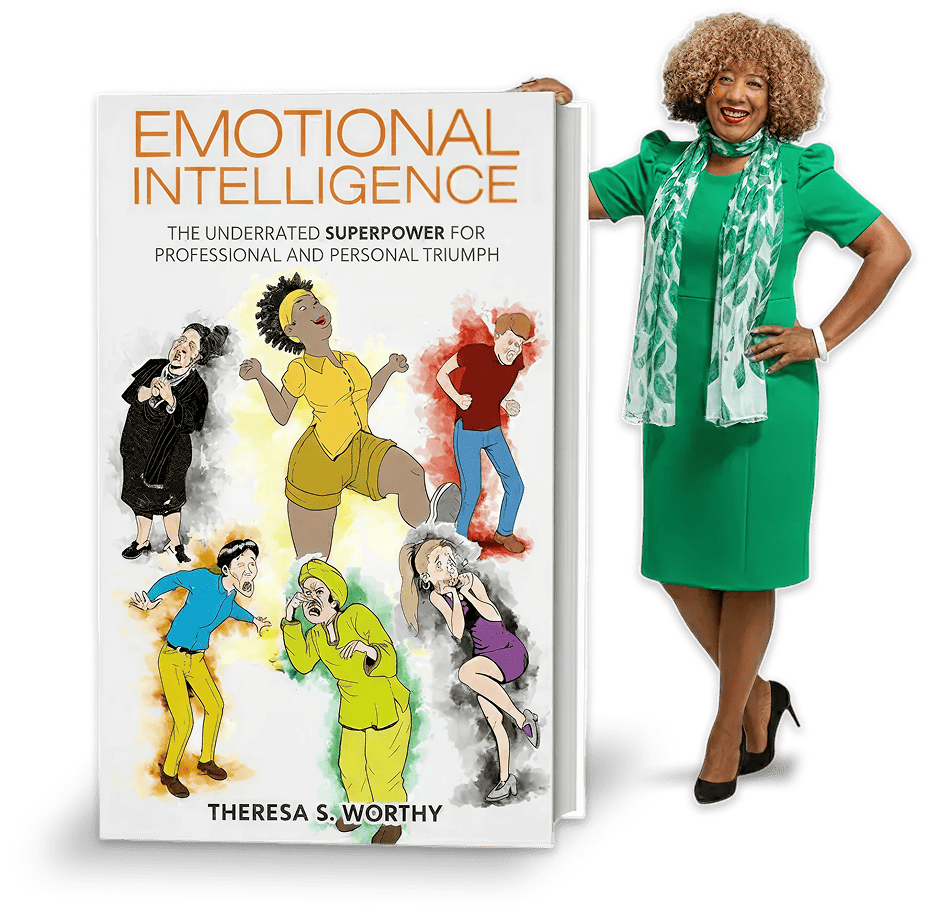
Most district PD plans are built around competency — instructional strategies, data literacy, technology integration. All necessary. None of it addresses the skill gap quietly driving burnout, conflict, and turnover in nearly every district I work with: emotional intelligence.
Educators are asked to regulate other people’s emotions all day — students, parents, colleagues — while rarely being equipped with frameworks for managing their own. Leaders are expected to absorb organizational stress and somehow transmit calm and clarity downward, with no formal training in how that actually works. When EI isn’t explicitly built into your PD plan, you’re not avoiding the topic — you’re just leaving your staff to figure it out alone, usually under pressure, usually badly.
This isn’t about adding a single “wellness” session to an already packed agenda. Emotionally intelligent professional development is woven into how your staff understands leadership, communication, and inclusion — not bolted onto the side of it.
In my work with district leaders, I use the WORTHY Framework™ to help staff build the specific EI competencies that translate directly into classroom and leadership behavior: self-awareness under pressure, regulation in high-stakes moments, and the kind of inclusive communication that keeps teams functional even when budgets are tight and morale is fragile.
The goal isn’t a feel-good afternoon. It’s a measurable shift in how your staff handles the moments that actually define a school year — the parent conflict, the colleague disagreement, the impossible Tuesday.
As you build your fall PD calendar this summer, I’d encourage you to sit with three questions:
If any of those questions gave you pause, that’s worth a conversation before your calendar locks in.
Summer planning windows close faster than they feel like they will. If you’re considering a keynote, a half-day session, or a longer PD partnership built around emotional intelligence and inclusive leadership for your team, I’d welcome the conversation now — while there’s still room to build something intentional, rather than something rushed.